About us
Our Purpose
Ḵulus was created to address one of the most urgent health challenges facing Indigenous communities today, diabetes, through a model that returns ownership, respect, and voice to the people most affected.
This is not charity. It’s self-determination.
We work with communities, not on them, building tools that align with traditional values, local capacity, and intergenerational knowledge.
Why It Matters: Diabetes affects Indigenous communities at up to five times the national average, not by chance, but because of systemic barriers and lost connection to traditional foods, activity, and self-determination.

Built in Community. Guided by Culture. Grounded in Science.
At its heart, Ḵulus is a movement of collaboration, where Indigenous knowledge, Western medicine, and technology meet to imagine a healthier, more connected future.
What is Ḵulus?
What is Ḵulus?
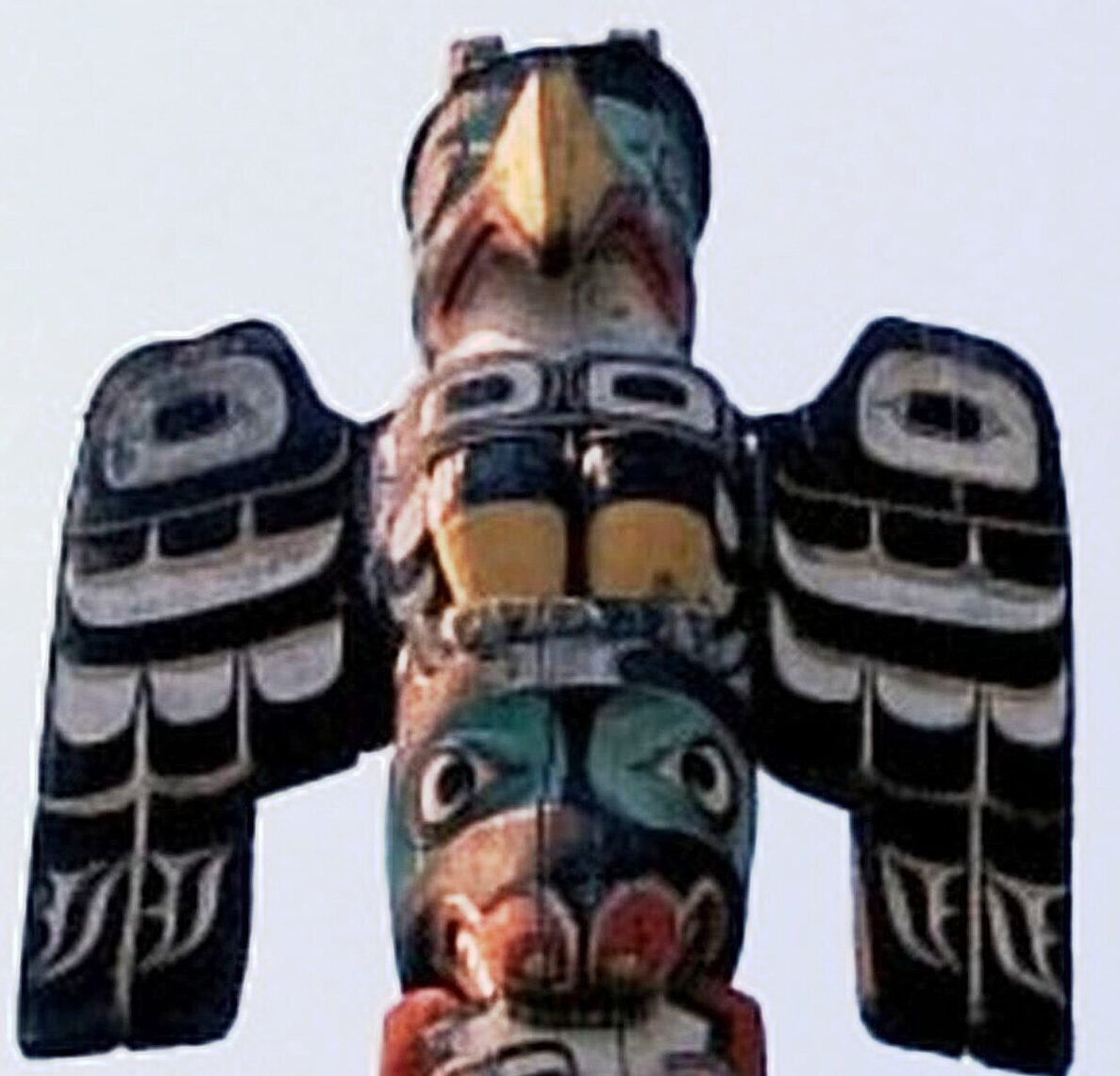
Ḵulus is the younger brother of the Thunderbird, a symbol of protection, learning, and renewal.
Guided by this spirit, Ḵulus Health helps communities protect their people through data sovereignty, education, and connection.
Our Approach
Our Approach
We believe the future of healthcare must be community-owned and culturally intelligent.
Ḵulus combines continuous glucose monitoring (CGM), data visualization, and traditional knowledge to make health care more personal, preventive, and empowering.

Vision
Vision
We imagine a future where Indigenous communities define what wellness means, guided by data, strengthened by culture, and connected through technology.
Because when we own our health, we own our future.
Ḵulus is a Collaborative Project
Ḵulus is a collaborative health innovation, rooted in Indigenous leadership, community partnership, and cultural respect. It brings together First Nations communities, healthcare professionals, technologists, and researchers to co-create a new model of diabetic care, one that honours traditional knowledge while using modern tools like continuous glucose monitoring (CGM) and accessible digital platforms.
Rather than imposing external systems, Ḵulus is built with communities, not for them. Each aspect of the platform, from data governance to nutrition and fitness, is guided by local voices and cultural values. By blending traditional wellness practices with data sovereignty and technology, Ḵulus aims to restore balance, ownership, and self-determination in community health.
Why Use Ḵulus
Ḵulus empowers Indigenous communities to take charge of their health through culturally grounded, community-led, and data-sovereign health care.
Data Sovereignty
Data sovereignty to us means communities own, control, and benefit from their own health information.
Longevity
Longevity begins with balance, balance of body, mind, culture, and community.
Improved Health Outcomes
Improved health outcomes start with community-led care rooted in culture and connection.
Our Method
Ḵulus is part of a growing global movement, reconnecting communities to their traditional foods, self-determination, and technology designed to empower, not extract.

The Crisis In Numbers
Rising rates of processed food consumption, sedentary lifestyles, and inequitable access to healthcare have created a global epidemic that is hitting Indigenous and low-income communities the hardest.
While the disease is universal, its impact is not equal. In many Indigenous Nations, diabetes has become five times more prevalent than in surrounding populations, a direct outcome of colonial disruption, nutritional displacement, and systemic underfunding of care.
diabetes Worldwide
numbers
830M
indigeneous Prevalence increased
+3-5x
Indigenous Health
North america
8.5B
savings if 1m cases are diagnosed early
9B
Join the Movement.
If your Nation or organization is interested in piloting Ḵulus or partnering to support community health, we’d love to hear from you.
A Group with vision
Our Team
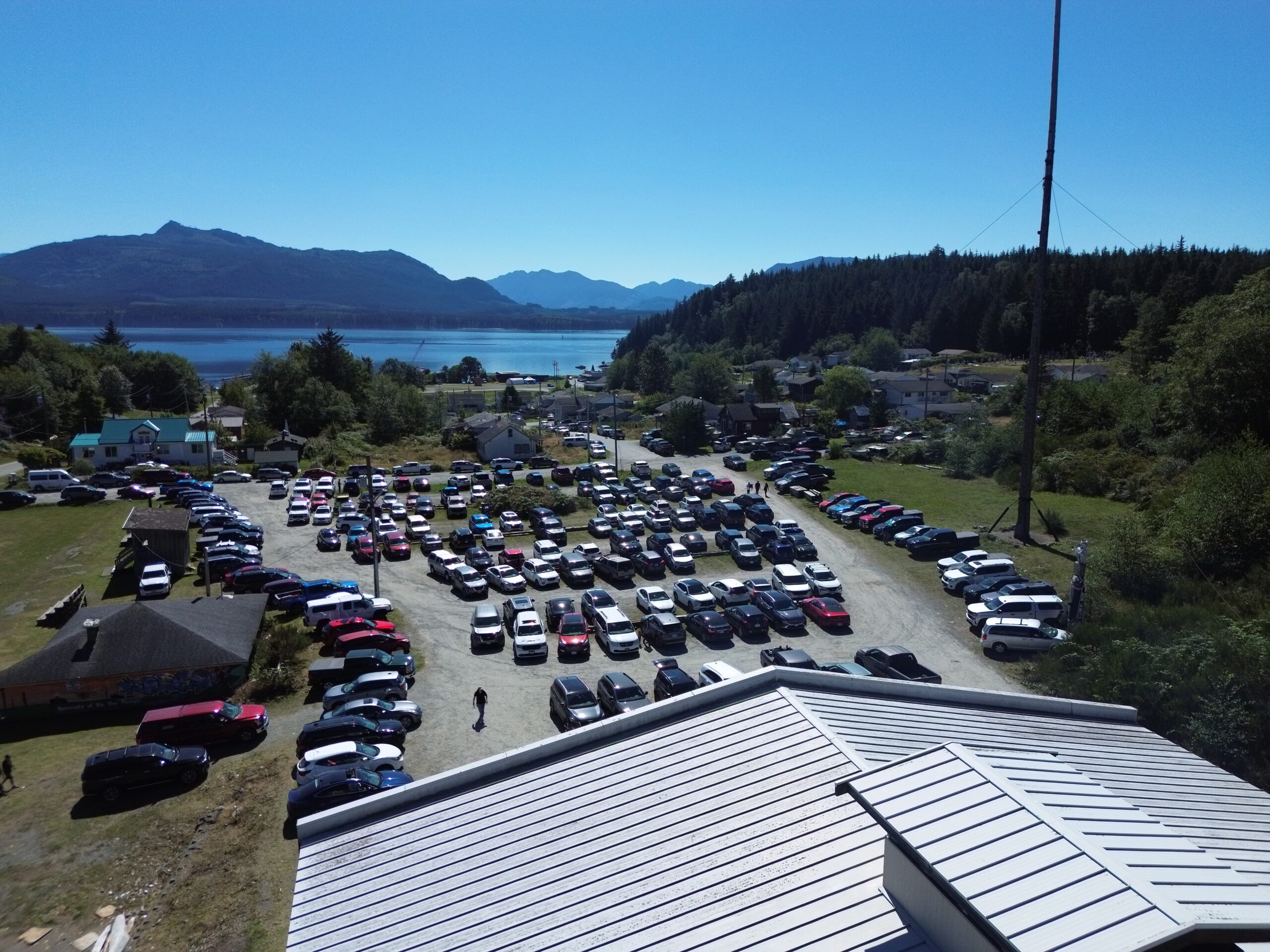
The Ḵulus team brings together Indigenous leaders, healthcare professionals, technologists, and cultural advisors united by a shared vision, to restore balance in metabolic health through Indigenous innovation. Rooted in Y’alis (Alert Bay, BC), our collaborators include Elders, doctors, and digital designers who bridge traditional knowledge and modern science. Together, we’re building a model of care that is community-led, culturally grounded, and ready to scale across all Nations.
Elder & Community Coordinator
Bill Wasden (Sebaxola)
Bill is a distinguished leader of the ‘Na̱mg̱is First Nation. His extensive governance experience spans over two decades, during which he served as Executive Director of the Musgamakw Tsawataineuk Tribal Council for 12 years and as Band Manager of the Da̱’naxda’x̱w First Nation for 10 years. Beyond his leadership roles, Bill has engaged in various professions, including fishing, logging, construction, and trucking, demonstrating a profound connection to his community’s traditional livelihoods. He furthered his expertise by obtaining a Certificate in Administration of Aboriginal Governments from the University of Victoria. Bill’s unwavering commitment to community development and cultural preservation has been instrumental in advancing initiatives that honor and sustain Indigenous heritage.
Team Lead, Co-Founder
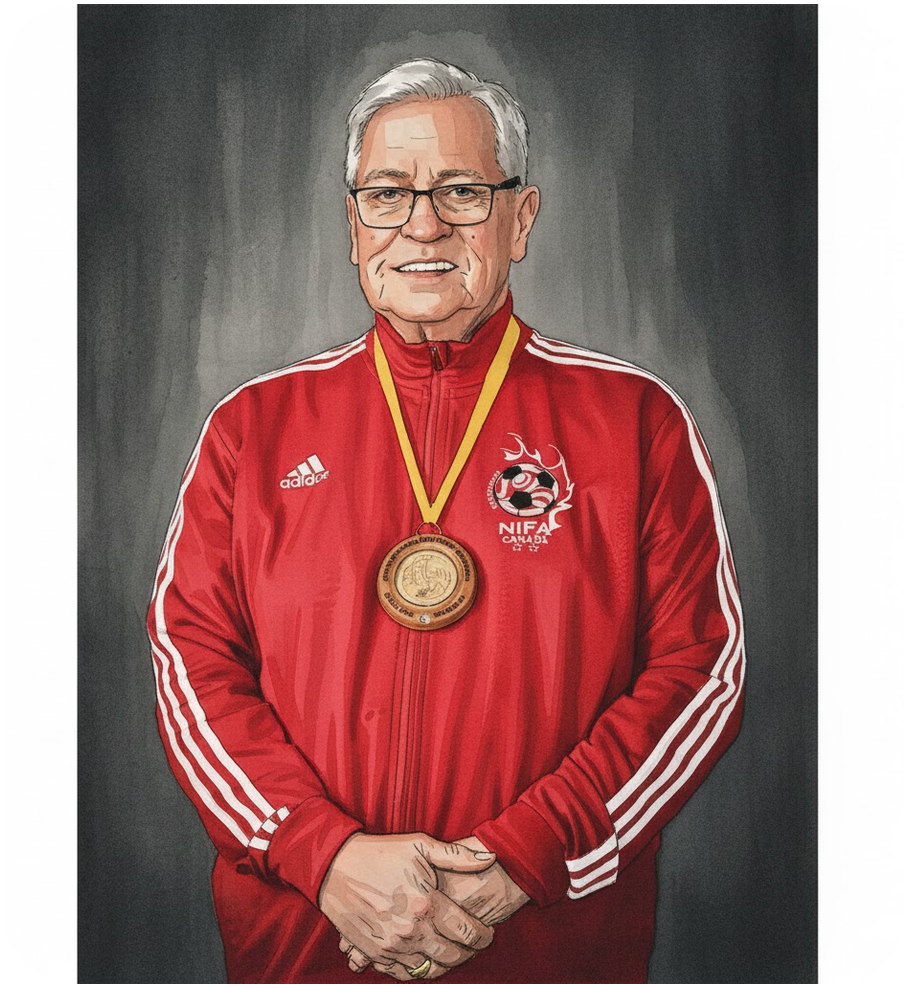
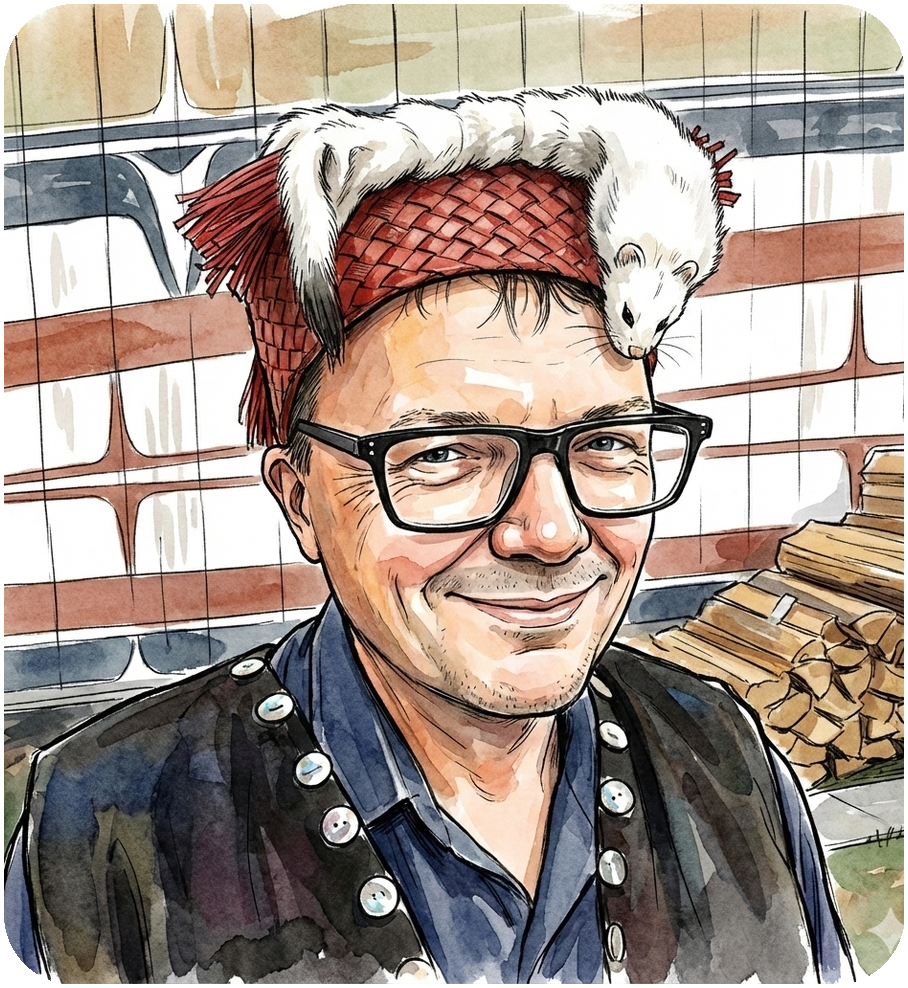
Duncan Kennedy (Malidi)
Duncan is an entrepreneur with a rich background in digital innovation. His career includes significant tenures at technology giants such as Apple and Sony, where he played pivotal roles in product development. As a co-founder of Indigenext, Duncan has focused on empowering Indigenous entrepreneurship by providing reconciliation through innovation. His leadership in this incubator has facilitated the growth of numerous Indigenous-led startups, including Nawalakw and the World’s Tallest Totem Pole– fostering economic development within Indigenous and beyond communities. Duncan’s vision and expertise continue to drive initiatives that bridge traditional knowledge with modern innovation. Of Metis descent, he was recently adopted into the Kwakwaka’wakw Alfred family where he received the name Malidi.
CTO, IP & Innovation Lead
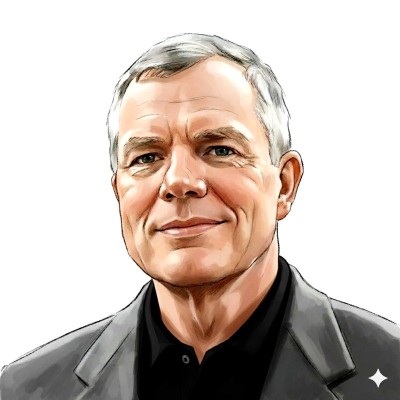
Tom Gilley, Co-Founder
Tom is a career CTO, inventor, founder, investor and strategic advisor known for creating innovative IP. At Apple, he led R&D contributions to the Powerbook, QuickTime, and technologies that paved the way for the iPad, iPhone, and digital cameras. He founded ventures sold to Cisco, IBM, TSMC, and Cobalt, acquired by Sun Microsystems for $2B, and built global cloud platforms acquired by OpenText and InterDigital. With expertise in AI and connected technologies, Gilley has driven multi-billion-dollar acquisitions, including CNHi’s $2.1B purchase of Raven and Xylem’s $1.7B acquisition of Sensus. He also advises on HIPAA-compliant data sharing platforms and guides companies on growth and exit strategies.
Research Lead
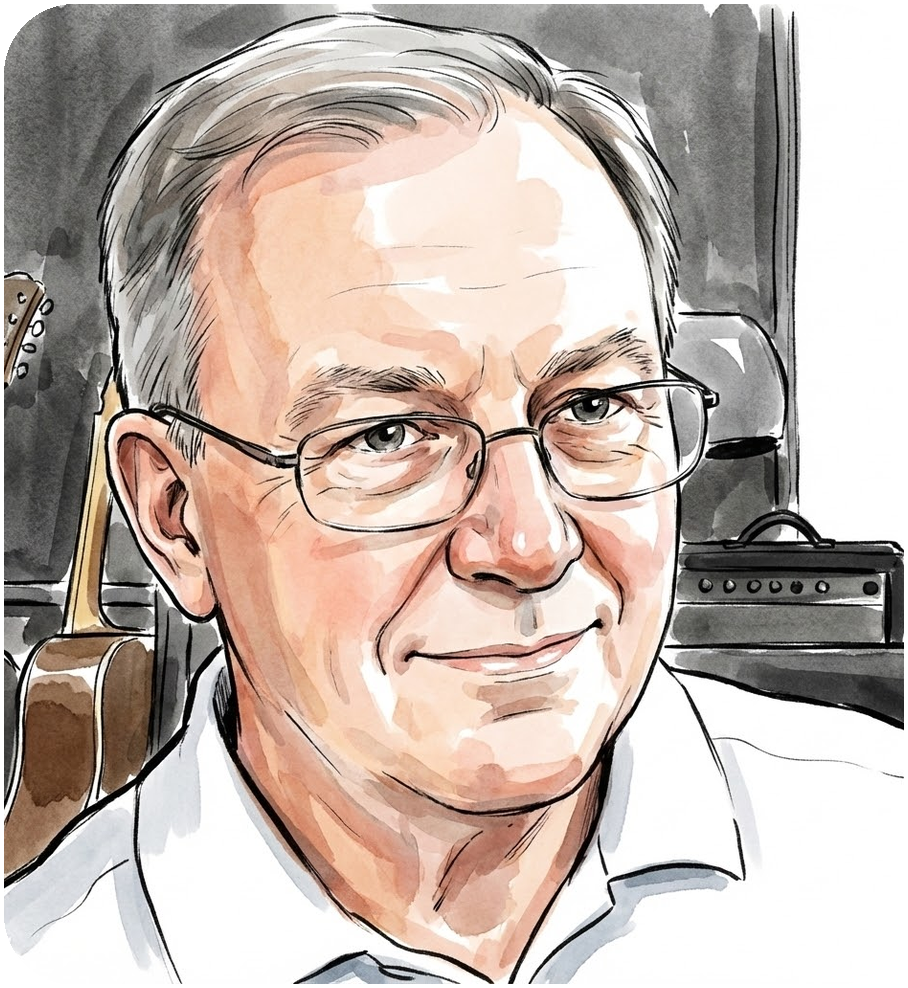
R Barry Holtz
Barry is the principal of Holtz Biopharma Consulting, providing expertise in biologic therapeutics development and bioprocess design. He was co-founder and Chief Science and Technology Officer for G-CON Manufacturing and Caliber Biotherapeutics, and served as President of iBio CDMO. Dr. Holtz co-founded and led InterveXion Therapeutics, developing antibodies to combat drug abuse. Previously, he was Senior Vice President of Biopharmaceutical Development for Large Scale Biology Corporation, helping take the company from startup to successful public offering. He received his Ph.D. from Pennsylvania State University and was an NSF Postdoctoral Fellow at Scripps Institution of Oceanography. Dr. Holtz has been awarded 24 US patents, published over 65 scientific papers, and received the Pennsylvania State University Outstanding Alumni Award.
UX Lead
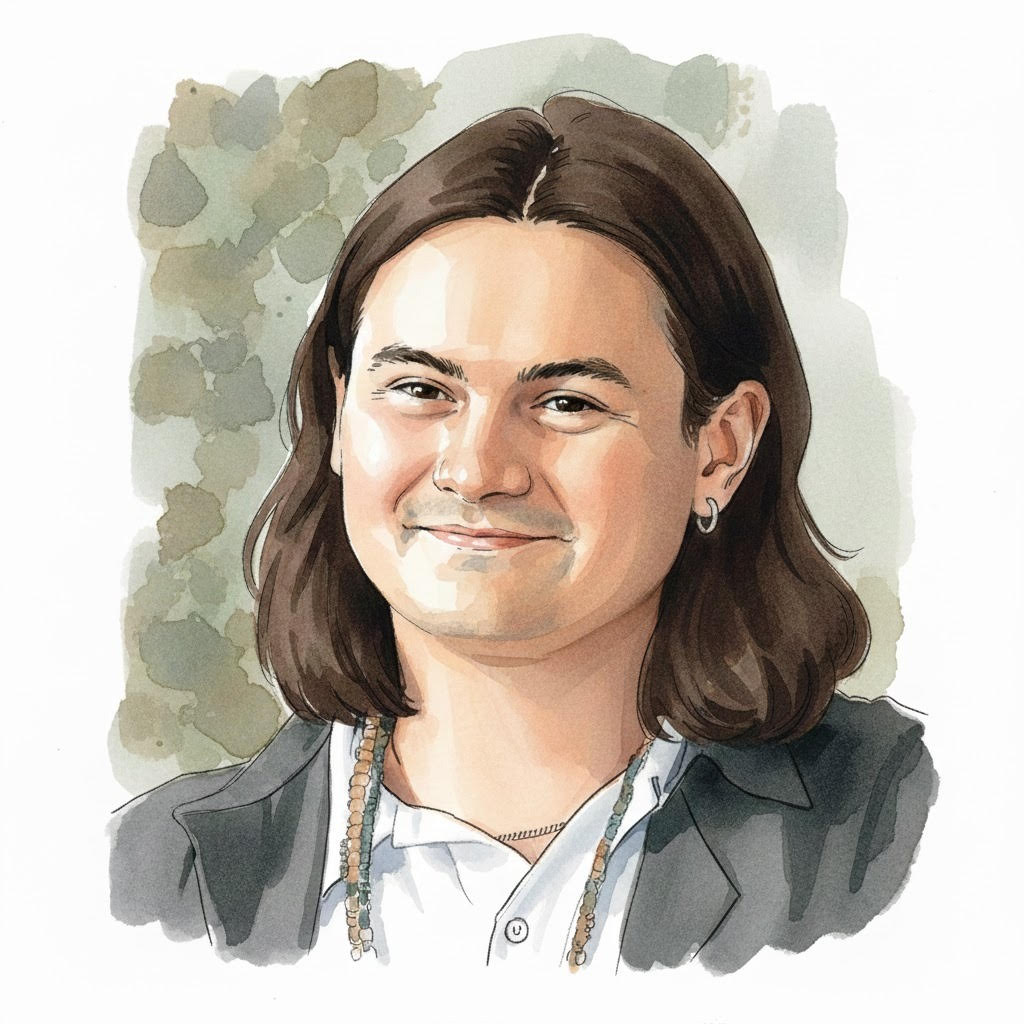
Nodin Cutfeet
Nodin Cutfeet is an interaction designer whose work bridges technology and Indigenous self-determination. As the founder of the Waniskâw Foundation and a designer at Kulus, they create tools grounded in collective care, community knowledge, and the lived realities of Indigenous peoples. Their practice is rooted in relational accountability—designing with responsibility to the people, lands, and traditional knowledge systems involved—and guided by a deep commitment to cultural continuity. Their work has been recognized by the Vancouver UX Awards and MIT Solve for advancing Indigenous data sovereignty, intergenerational wellbeing, and community-led design processes.
Platform and Software Advisor
Peter Hoddie
Peter Hoddie is a distinguished figure in technology development, renowned for his contributions to digital media and software engineering. Notably, during his tenure at Apple, Peter played a crucial role in the development of QuickTime, a groundbreaking multimedia framework. His entrepreneurial spirit led him to co-found several successful tech startups, where he focused on creating scalable software solutions and integrating Internet of Things (IoT) technologies. As a Platform and Software Advisor at MHP, Peter’s deep expertise guides the development of user-friendly platforms that meet the complex demands of modern technology ecosystems.
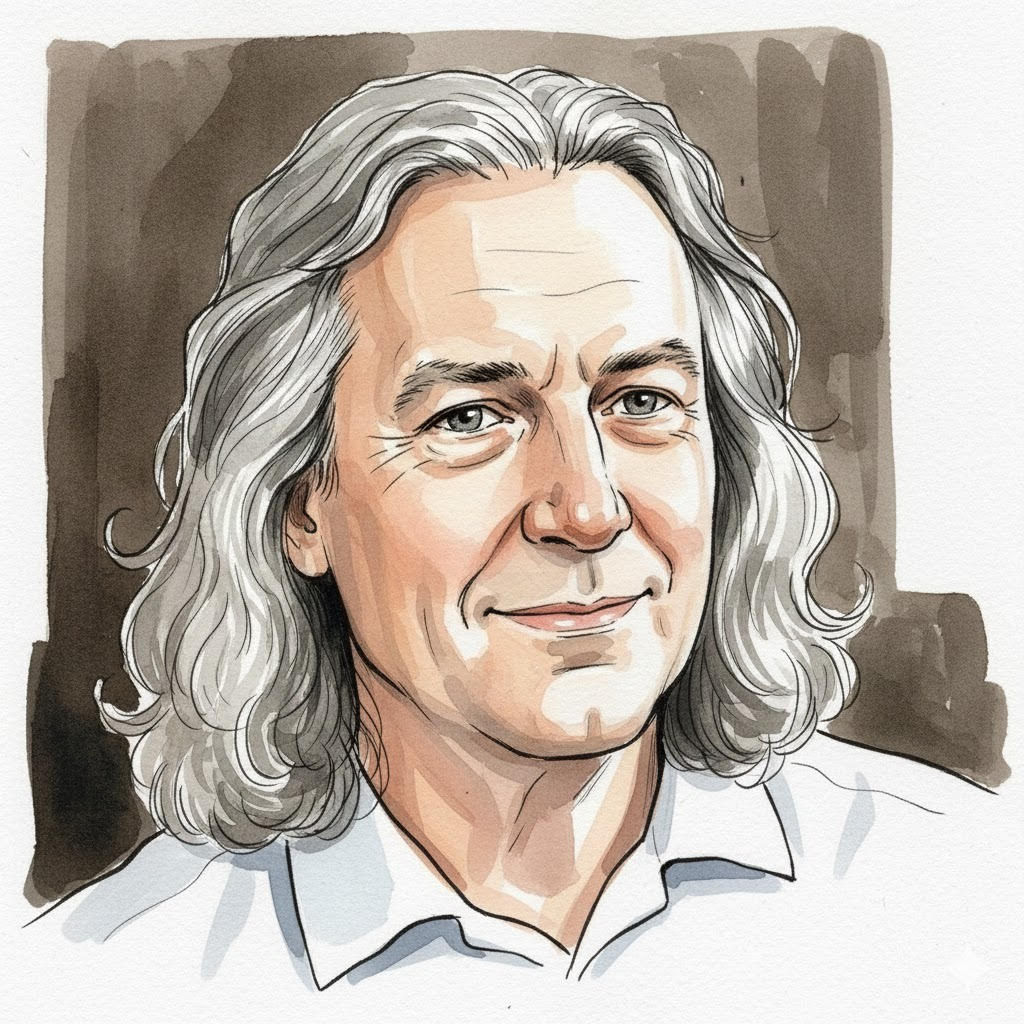
Apps Lead
Joseph Malone
Joseph is a seasoned mobile application developer specializing in Android development and more recently iOS dev. Joseph served as Senior Android Developer at Nike for over five years and previously spent four years as Senior Android Developer at Lululemon Athletica in Vancouver. His extensive experience building consumer-facing mobile applications for leading retail brands brings critical expertise to Kulus Health. Joseph leads the development of the Kulus Health mobile platform, creating accessible and culturally responsive applications that support community-led health monitoring and data sovereignty for Indigenous populations.
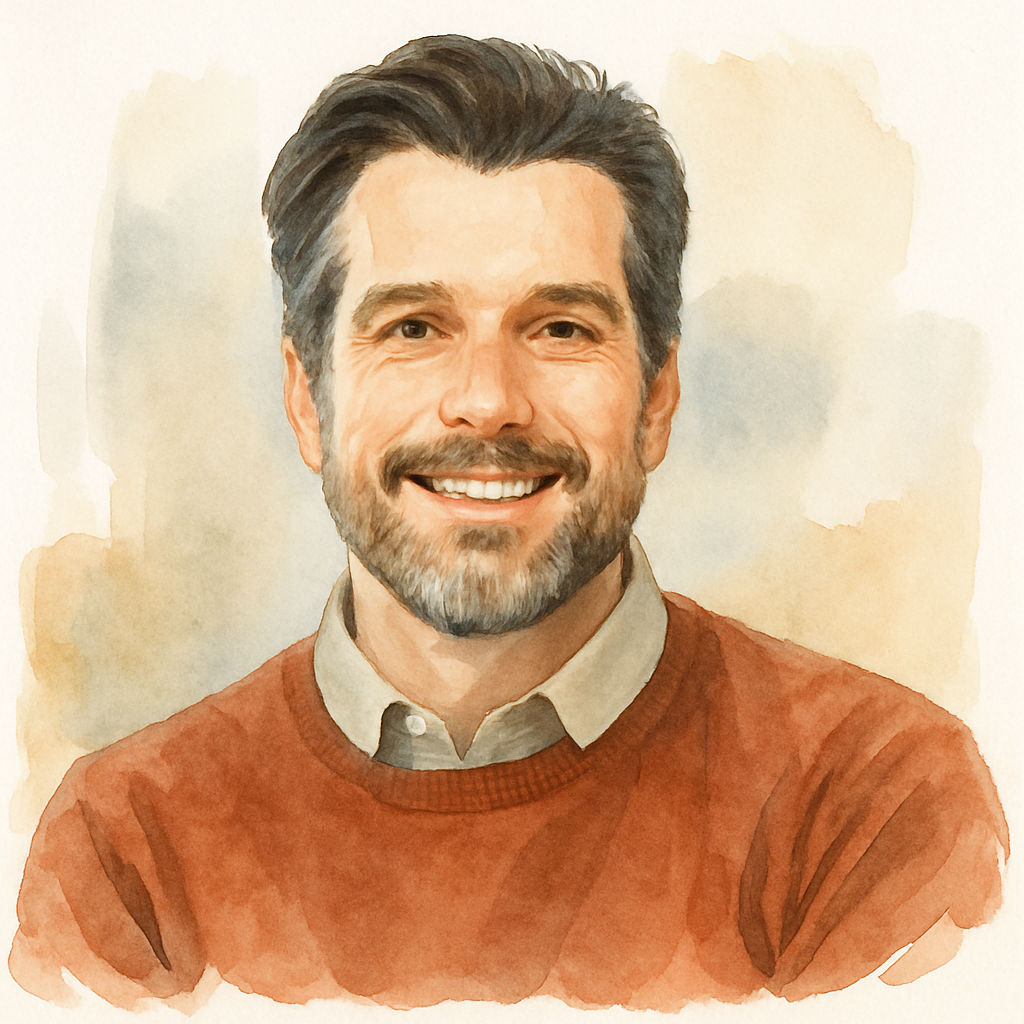
Media and Outreach
Bradley Shende
Bradley Shende is a co-founder of Indigenext and a visionary in media, technology, and strategic communications. His career encompasses a broad spectrum of roles, including media production, entrepreneurship, and public speaking. Bradley’s work is characterized by a commitment to leveraging media and technology to empower communities and drive social change. At Indigenext, he leads media and outreach initiatives, focusing on fostering Indigenous technological sovereignty and ensuring that technological advancements align with cultural values and community needs. Bradley’s strategic leadership and innovative approach have been instrumental in amplifying Indigenous voices in the technology sector.
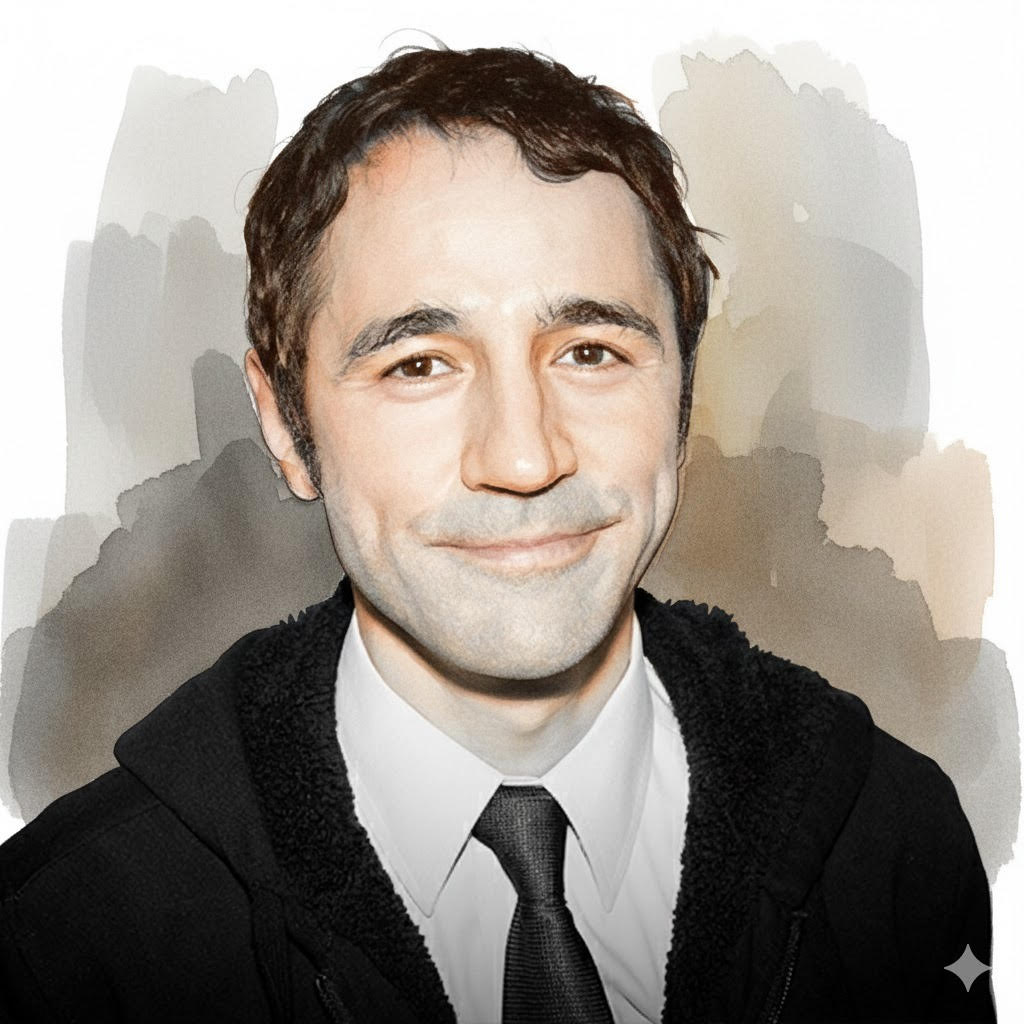
Community Doctor & Research Lead
Dr. Troy McLeod
Dr. Troy McLeod, hailing from the Chippewas of Nawash First Nation, has been a steadfast advocate for the health and well-being of the Alert Bay community. In his capacity as Medical Director for Aboriginal Health at Vancouver Island Health, Dr. McLeod seamlessly integrates Western medical practices with culturally sensitive approaches tailored to Indigenous populations. His dedication to service and bravery has been recognized through the Governor General’s Award for Bravery, reflecting his commitment to proactive healthcare and Indigenous wellness. Dr. McLeod’s leadership in community-based research initiatives has significantly contributed to the development of health programs that resonate with cultural values and address specific community health challenges.
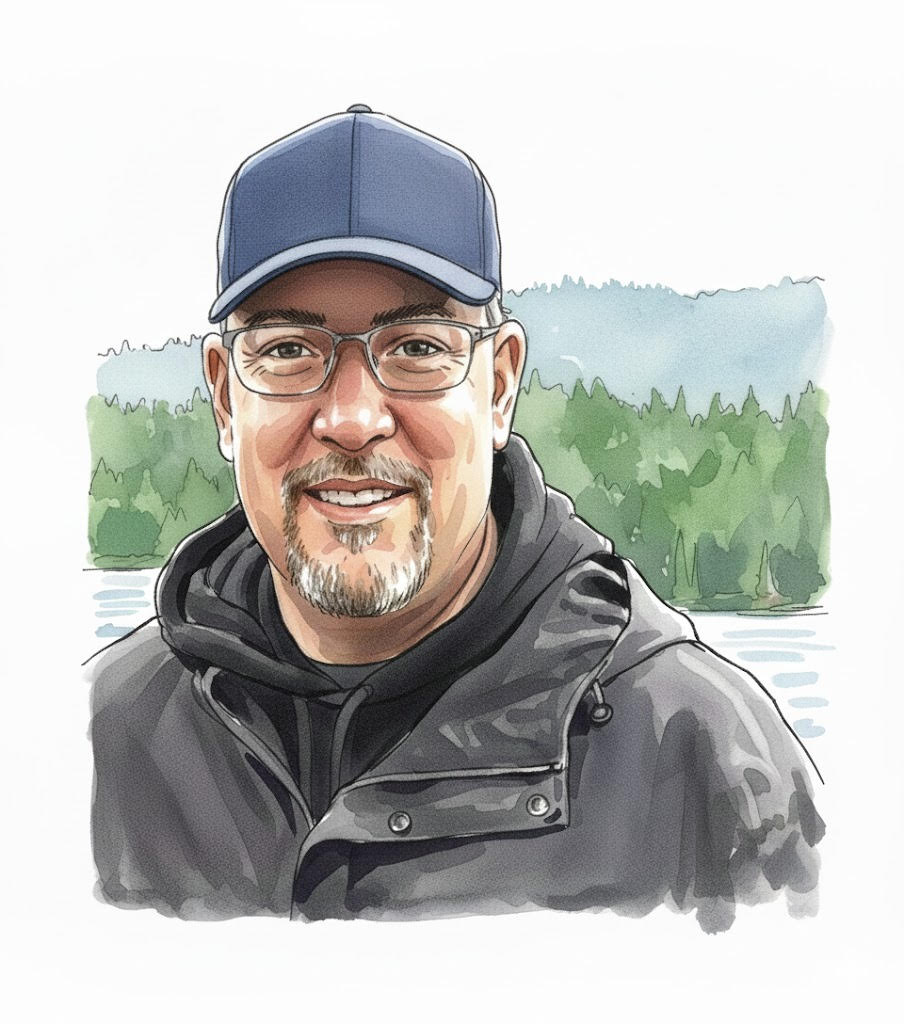
Sr. Physician
Dr. Dan Cutfeet
Dr. Daniel “Dan” Cutfeet is a member of Big Trout Lake First Nation. He grew up in Sioux Lookout, Ontario. He found inspiration from his grandfather, mother and father to find a career that would benefit Indigenous People. He overcame many challenges to succeed and moulded to be the man he is today. Dan is currently the Senior Physician in a Namgis First Nation community in British Columbia and does his best to provide the best care he can for patients at the local hospital and long-term care facility. He aspires to see dramatic improvements made in the standard of living for First Nations people, particularly on reserves.
Contact us
Want to bring Ḵulus to your community or learn more about our pilot in Y’alis? Reach out, let’s build health, culture, and community together.
Ḵulus is currently supported by INDIGENEXT, the Indigenous Business Accelerator. Indigenext began work in 2015 on the unceded territories of the xwməθkwəy̓əm (Musqueam), Skwxwú7mesh (Squamish) and Səl̓ílwətaʔ (Tsleil-Waututh) working alongside our cousins and neighbors the kʷikʷəƛ̓əm (Kwikwetlem), qʼʷa:n̓ƛʼən̓ (Kwantlen), q̓ic̓əy̓ (Katzie) sɛmiˈɑːmu (Semiahmoo), and sc̓əwaθən məsteyəx (Tsawwassen) First Nations. We continue work in those territories as well as holding space and expanding with team members in Kwakwaka’wakw, Lënapehòkink (Lenape) and Tsilhqotʼin (Chilcotin) Territories with the deepest gratitude towards the land, and all it’s beings and people, past, present and future.